 Utku Kaynar
Five: Learning to Learn..
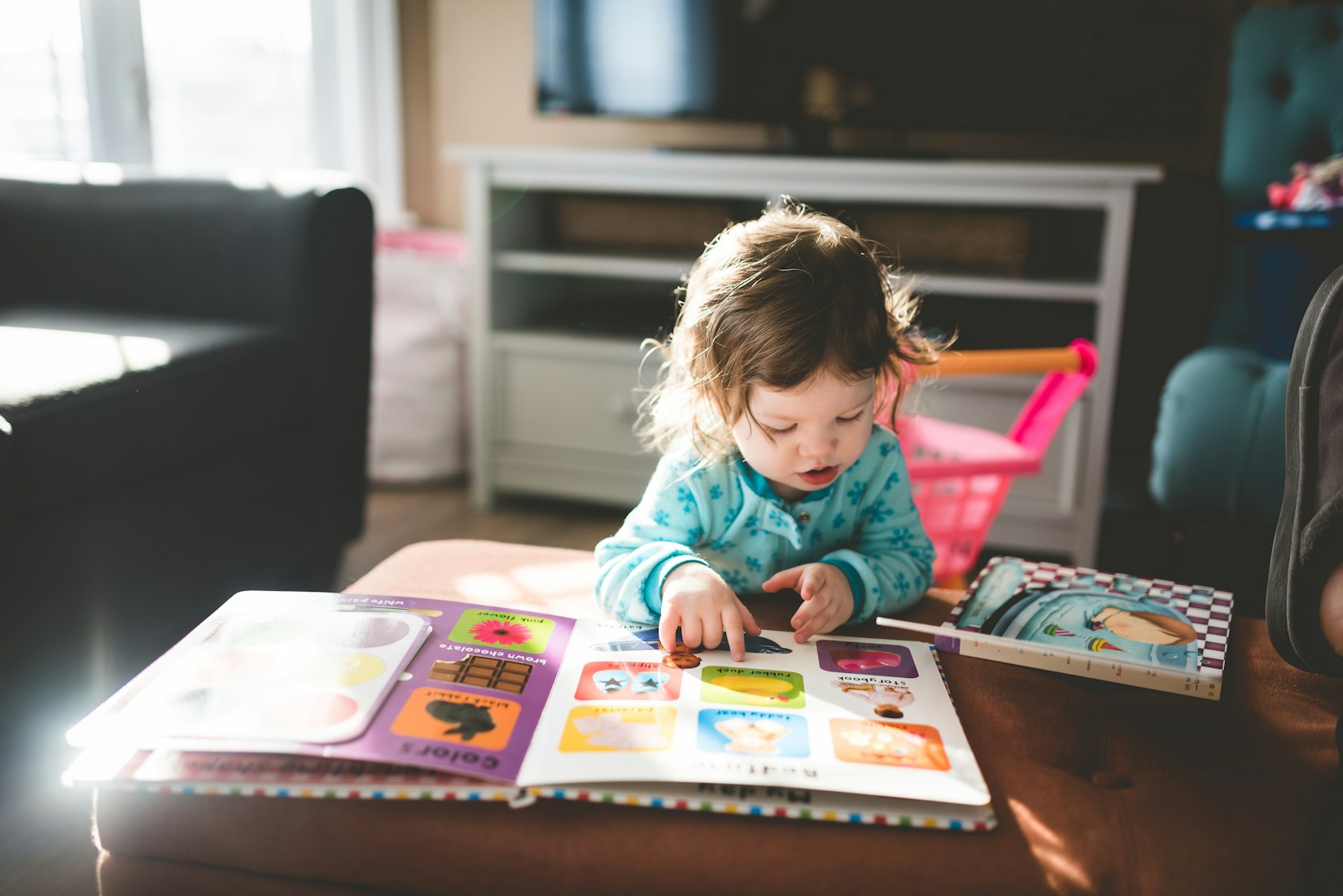
Photo by Stephen Andrews on Unsplash.
March 7, 2019, San Jose, California
Ada,
Today we are going to talk about learning. As we have this conversation, we have been together for roughly 142 days / 3,400 hours.
To tell you the truth, if someone asked me who I had learned the most from lately, my answer would be you.
You are still so tiny, but you have already taught your mother and me so many things.
What have I learned from you? Most simply, I have learned that the world's children are not statistics, not numbers. Every year, for example, nearly five million children around the world lose their lives before reaching the age of five. In Yemen, so close to Turkey, children are starving to death because of the sectarian war with their wealthy neighbor, Saudi Arabia.
I learned from you that every child is a mother's and father's little lamb. Each one is precious. Each one smells wonderful to their own parents. They all need attention, love, and affection, and none of them is a statistic or a number.
My daughter, I read these figures before you came along, too. But when you arrived, your presence allowed me to interpret them anew, put them into a framework, and give them meaning.
Ada, learning means giving meaning to raw data. That is when data changes form and becomes knowledge.
Many people confuse the two. They think they know the data they have stored in their memories in one way or another. Yet if that data means nothing to you, you have learned nothing from it.
You were born into a world filled with endless data. Tim Berners-Lee invented the World Wide Web at CERN in 1989, and our world changed completely. The web, as we call it for short, connected trillions of documents, videos, and images, and ultimately billions of people, through links that can be embedded in text, like the ones in this letter. Coming on the heels of the miniaturization of computers, it threw the doors to the information age wide open. Today, a world without it is almost unimaginable, even though billions of people still have no internet access.
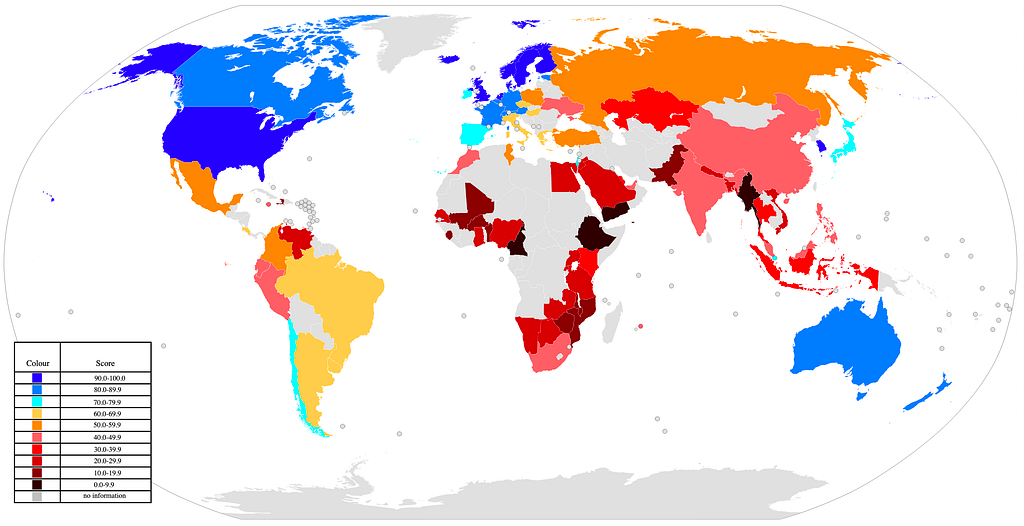

Ada, in your world, access to data is not a problem because nothing stands in the way of its circulation. It is true that authoritarian states try to ban or restrict the internet. But even where information flows freely, something happened that perhaps none of us expected at first: the more data circulated around us, the less sensitive and attentive we became to it. We are living through a great paradox in human history: as our access to data and sources of knowledge grows, so does our resistance to becoming informed, and so does our ignorance.
My daughter, in terms of human evolution, nothing has changed about the way we learn. People learn in four ways: visually, aurally, through touch, and socially. Each of us leans more toward one of these; for example, I lean toward visual / auditory learning. In time, you too will discover how you learn. If you choose ways of absorbing information that suit your own learning style, you will find that learning something becomes easier.
However you learn, you will find unlimited resources on the subjects you are curious about. What matters is not your access to those resources, but what you can do with them. More precisely, it is your ability to make sense of the data you obtain from them. Let me give you an example: almost no one in the world disbelieves the existence of gravity. We know quite a lot about the process that holds the universe together and formed our world. Yet a considerable number of people also believe they can ask the universe for money as though withdrawing cash from an ATM, or see the future in coffee grounds. These are the results of data and education that have not been internalized.
Remember: data you cannot make sense of is not your knowledge, and never will be.
Of course, for every valuable source, there are dozens of false ones containing nothing but noise. As you delve deeper into a subject, you will become better at evaluating its sources.
Whatever happens, when you encounter data about something you are curious about and want to learn, you must use your reason to place it in context and give it meaning. As you turn new data into knowledge, you will discover new meanings, too. In science or in life, the meanings you have given to what you already know may change and evolve. That is natural. Like everything in life, learning is a process.
At the end of the day, Ada, we live only as much as we are able to remain students of life. Saying “I have learned it all,” saying “I am complete,” will be the same as saying “I am no longer living,” especially in the age you live in.
Never stop learning, being curious, or making the effort, my daughter. In the words of a very dear friend of mine, “Not often, but always.”
With love,
Dad.